Driveway Cleaning in Christchurch: Costs, Methods and What Not to Do
Professional driveway cleaning in Christchurch costs roughly $3–$6 per square metre plus GST, with most operators holding a minimum call-out of around $149 + GST. Moss and mould treatment typically adds $20–$50, and oil stains run $10–$30 each to treat.
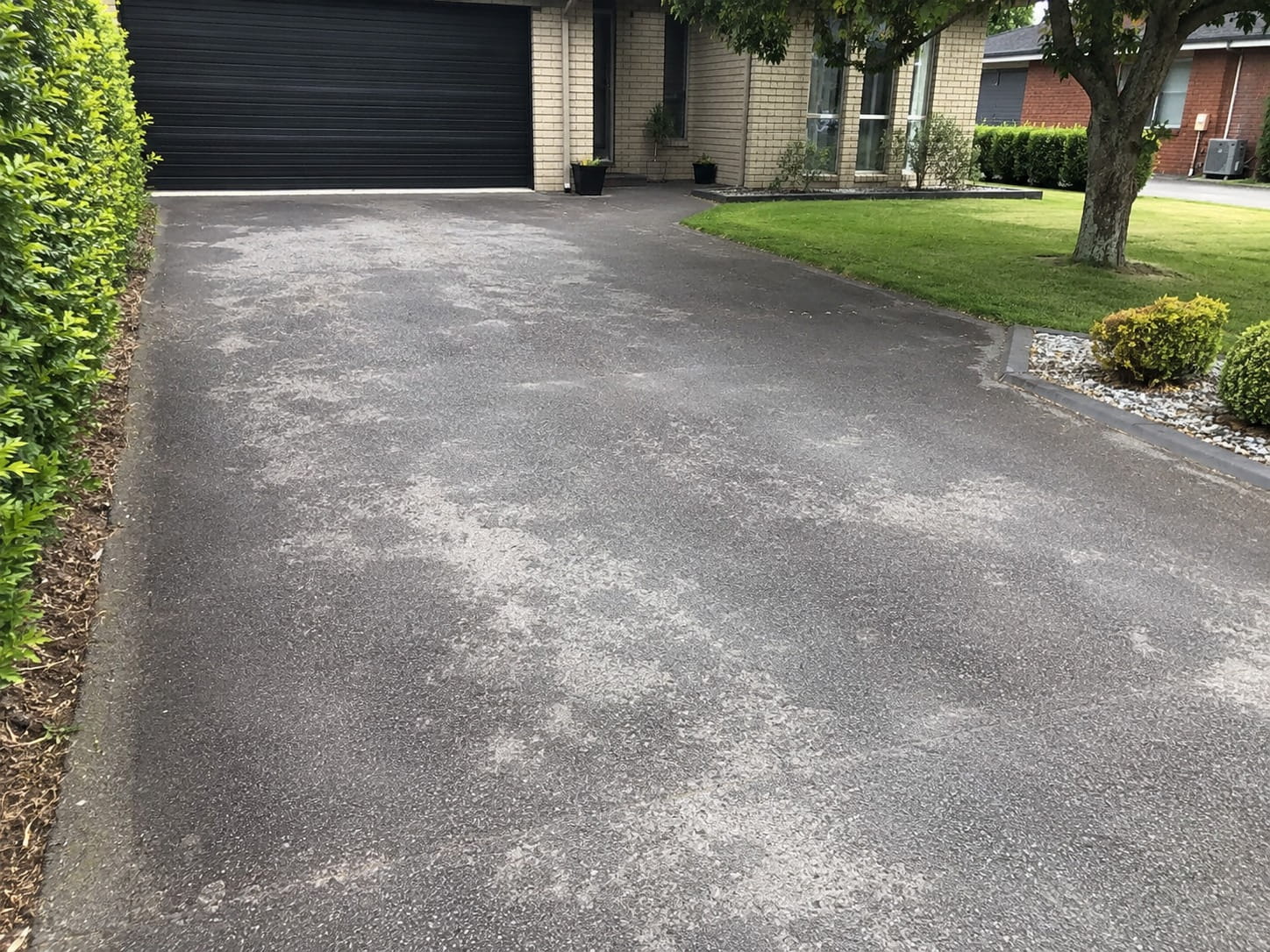
Christchurch driveways get dirty in a particular way. Shaded southern aspects, tree cover and cool damp winters make this good territory for moss, algae and lichen, and concrete is porous enough to give all three somewhere to hold on.
The part worth reading before you hire anyone — or before you hire a machine yourself — is what pressure does to concrete. A water blaster turned up too high does permanent damage in seconds, and it is the single most common way a driveway gets worse from being cleaned.
What Driveway Cleaning Costs in Christchurch
| Service | Typical price | Notes |
|---|---|---|
| Standard driveway wash | $3–$6/m² + GST | Heavier soiling sits at the top of the range |
| Minimum call-out | From around $149 + GST | Small driveways effectively pay the minimum rather than the rate |
| Moss and mould treatment | $20–$50 | A chemical pre-treat, not just more pressure. Common here. |
| Oil stain treatment | $10–$30 per stain | Degreaser and dwell time. Older stains may not fully lift. |
| Wash before sealing | $3–$6/m² + GST | Usually bundled with a sealing job — ask whether it is included |
Christchurch sits mid-range nationally for this work — Auckland and Wellington run roughly 10–20% higher. Rural Canterbury addresses may carry a travel charge.
The Pressure Problem
Water blasting a driveway looks satisfying and is easy to overdo. The mistake is treating pressure as the active ingredient.
On concrete, the top few millimetres is a fine cement-rich layer — the wearing surface. Excessive pressure, or a narrow nozzle held too close, erodes that layer away. What you are left with is exposed sand and aggregate, a rougher surface that then holds dirt more readily than it did before, and visible wand marks — striped bands where the operator lingered. None of it grows back. On concrete that is already lightly spalling, high pressure will lift the loose surface off in sheets and turn a cosmetic problem into a resurfacing job.
On pavers, the damage is different but faster. High pressure blasts the jointing sand straight out of the joints. Once the joints are empty the interlock stops working, the bedding layer underneath starts to migrate, individual pavers begin to rock, and weeds move into the gaps. A cleaner who leaves your paved driveway looking bright and the joints empty has created a problem that costs far more to fix than the clean cost.
On exposed aggregate, aggressive blasting can dislodge stone, particularly if the original wash-off was done slightly early and the paste holding the aggregate was already thin. It also strips any topical sealer, which then needs replacing.
The professional approach is the reverse of the intuitive one: chemistry first, pressure second. Pre-treat the moss, lichen or oil so it releases on its own, let it dwell, then use moderate pressure with a wide surface-cleaner attachment to lift it away. Less pressure, better result, no damage.
What Is Actually on Your Driveway
Different contaminants need different treatment. Pressure alone deals with almost none of them properly.
Moss and algae
The green film. Thrives on damp, shaded concrete, so southern aspects and areas under trees go first. Needs a biocide pre-treat that kills it rather than just knocking it off — blasting removes the visible growth but leaves the spores, so it returns within months.
Lichen
The flat grey or orange crusty patches that seem welded on. Genuinely bonded to the surface, and this is where people reach for more pressure and cause damage. It needs a treatment and dwell time. Some lichen staining is permanent even once the organism is dead.
Oil and fuel
Soaks into porous concrete rather than sitting on it, so surface cleaning does nothing. Needs a degreaser worked in and given time, sometimes more than once. Fresh spills lift well; stains that have been there for years often only lighten.
Tyre marks and rubber
Rubber transferred by hot tyres, worst where cars turn on the spot. Responds to a solvent-based cleaner and agitation rather than pressure. Very common on the turning area of a driveway.
Efflorescence
A white, chalky bloom from salts migrating out of the concrete with moisture. Not dirt, and washing barely touches it. Needs a mild acidic treatment. Persistent efflorescence points to water moving through the slab, which is worth investigating.
Rust stains
From metal furniture, tools, or reinforcement sitting too close to the surface. Needs a specific rust remover. If rust marks follow a straight line and the concrete is cracking along it, that is corroding reinforcement and a repair issue rather than a cleaning one.
Why Christchurch Driveways Grow Moss So Readily
It is a combination of aspect, tree cover and season.
Anything on the south side of a Christchurch house gets very little direct sun through the cooler months, so the concrete simply does not dry out. Add mature trees — and plenty of Christchurch suburbs have them — and you have permanently damp, shaded concrete, which is close to ideal for moss and algae. The dense tree canopy through the older suburbs and the leaf litter that comes with it make it worse, because decomposing organic matter feeds growth and holds moisture against the surface.
Two things reduce it meaningfully. The first is drainage: if part of the driveway holds water after rain, that area will always be the worst. A minimum crossfall of around 1–2% is what keeps water moving off, and if your driveway has settled into a dish, cleaning it is treating the symptom. The second is sealing — sealed concrete holds less moisture at the surface, so growth is slower and washing is easier next time. See concrete sealing in Christchurch.
Trimming overhanging branches to let more light and air onto the surface makes a genuine difference too, and costs nothing but an afternoon.
DIY or Get Someone In?
| Consideration | Doing it yourself | Professional |
|---|---|---|
| Cost | Hire around $60–$100 a day, plus chemicals | $3–$6/m² + GST, minimum around $149 |
| Equipment | Hire units are usually a wand — good for detail, slow and streak-prone on a large area | Surface cleaner attachments give even coverage without wand marks |
| Moss and lichen | Consumer treatments work but need patience and repeat application | Commercial biocide pre-treat, applied and dwelled properly |
| Oil stains | Household degreasers lift fresh spills, rarely old ones | Proper degreasers and the option to repeat, at $10–$30 per stain |
| Risk of damage | The real cost. Too much pressure permanently marks concrete and empties paver joints. | Should be insured, and knows what pressure each surface takes |
| Worth DIY for | Small areas, light surface dirt, a plain sound slab you can go gently on | Large areas, established moss or lichen, pavers, exposed aggregate, oil stains, or prep before sealing |
If you do hire a blaster: start at low pressure, keep the nozzle well back, use a wide fan, and never stop moving. You cannot undo an over-blasted patch.
Keeping It Clean Between Washes
Sweep the leaves
Leaf litter left to sit holds moisture against the concrete and rots down into food for moss. Ten minutes with a broom through autumn does more for a Christchurch driveway than most people expect.
Deal with oil immediately
A fresh drip blotted and degreased within a day usually leaves nothing. The same drip left a month soaks deep enough to need professional treatment. Cat litter or absorbent granules on a fresh spill work well.
Fix pooling water
A low spot that holds water will always be the mossiest, dirtiest part of the driveway. Re-levelling or adding a channel treats the cause. See drainage.
Keep the sealer current
Sealed concrete stays cleaner and washes more easily. If water soaks straight into your driveway rather than beading, the sealer has gone and everything is soaking in with it.
Let light and air in
Trimming back branches that overhang the driveway reduces shade, speeds drying and slows growth. Cheapest maintenance available.
Grit, not salt, in winter
De-icing salt accelerates surface damage and spalling on concrete. Grit or sand gives you traction on a frosty Christchurch morning without attacking the surface.
When Cleaning Is Not the Answer
A wash makes a sound driveway look new. It will not fix a driveway that has a problem.
If the surface is flaking, pitting or lifting in sheets, that is spalling — freeze-thaw damage or a weak finish — and pressure washing will accelerate it. The fix is grinding back to sound concrete and resurfacing.
If the driveway is faded and patchy but structurally fine, cleaning helps but will not restore it, because the surface paste has worn through. A decorative overlay or a coloured coating is what actually changes the look.
If there are cracks, sunken sections or water pooling, cleaning is cosmetic. Those are signs about the slab and the base underneath it, and they are covered in our guide to concrete repairs in Christchurch.
And if you are planning to seal, the order matters: clean, treat any stains, let it dry properly, then seal. Sealing over a stain or over damp concrete locks the problem in and wastes the sealer.
Frequently Asked Questions
How much does driveway cleaning cost in Christchurch?
Roughly $3–$6 per square metre plus GST for a standard wash, with most operators applying a minimum call-out of around $149 + GST — so a small driveway effectively pays the minimum rather than the rate. Moss and mould treatment adds about $20–$50, and oil stain treatment runs $10–$30 per stain. Christchurch sits mid-range nationally, with Auckland and Wellington around 10–20% higher, and rural Canterbury addresses may attract a travel charge.
Can water blasting damage a concrete driveway?
Yes, and it is common. The top few millimetres of concrete is a fine cement-rich wearing layer, and too much pressure erodes it away, leaving exposed sand and aggregate, a rougher surface that gets dirty faster, and visible wand marks. On pavers, high pressure blasts the jointing sand out of the joints, which breaks the interlock and lets pavers start rocking. On exposed aggregate it can dislodge stone and strip the sealer. The professional method is chemical pre-treatment first and moderate pressure second.
How do I get moss and lichen off my driveway?
Both need a chemical treatment rather than pressure. Moss and algae respond to a biocide applied and left to dwell, which kills the organism rather than just removing the visible growth — blast it off without treating and it returns within months from surviving spores. Lichen is bonded much harder to the surface and needs treatment plus patience, and some lichen staining remains even after the organism is dead. Reaching for more pressure on stubborn lichen is exactly how driveways get permanently marked.
Why does my Christchurch driveway get so mossy?
Aspect, trees and damp. Anything on the southern side of a house gets little direct sun through the cooler months, so the concrete never properly dries out. Mature trees add shade and drop leaf litter, which holds moisture against the surface and feeds growth as it decomposes. Areas where water pools after rain are always the worst. Improving the fall so water runs off, sealing the concrete, and trimming overhanging branches all reduce it meaningfully.
Should I clean my driveway before sealing it?
Yes, and it is not optional. Sealing over moss, dirt or an oil stain locks the problem in permanently and wastes the sealer. The concrete also needs to be genuinely dry, not just surface dry — sealing over a damp slab causes a topical sealer to cloud, blister or peel. In practice that means washing, treating any stains, allowing a couple of days of drying, and then sealing. Most sealing quotes include the wash, but it is worth confirming.
Can I clean my own driveway?
For a small area of light surface dirt on a plain, sound concrete slab, yes. Hire a unit for around $60–$100 a day, use low pressure with a wide fan, keep the nozzle well back, and keep moving. Get someone in for large areas, established moss or lichen, oil stains, pavers, or exposed aggregate — and always before sealing. Hire units are typically wand-only, which is slow and prone to leaving stripes across a big driveway, while professionals use surface-cleaner attachments that give even coverage.
How often should a driveway be cleaned?
Once a year suits most Christchurch driveways, ideally in late spring or early autumn when conditions are mild. Shaded southern driveways and those under trees may want it more often. If growth is coming back within a few months of a wash, the underlying issue is usually moisture — a lapsed sealer, poor drainage, or heavy shade — and treating that will do more than washing more frequently.
Book a Driveway Clean in Christchurch
Christchurch Concrete Driveways cleans concrete, exposed aggregate and paved driveways across Christchurch and Canterbury — pre-treating moss, lichen and oil properly and using the right pressure for the surface. Call 03 660 1155 for a free estimate, or ask us about cleaning and sealing together.