Asphalt Resurfacing Christchurch
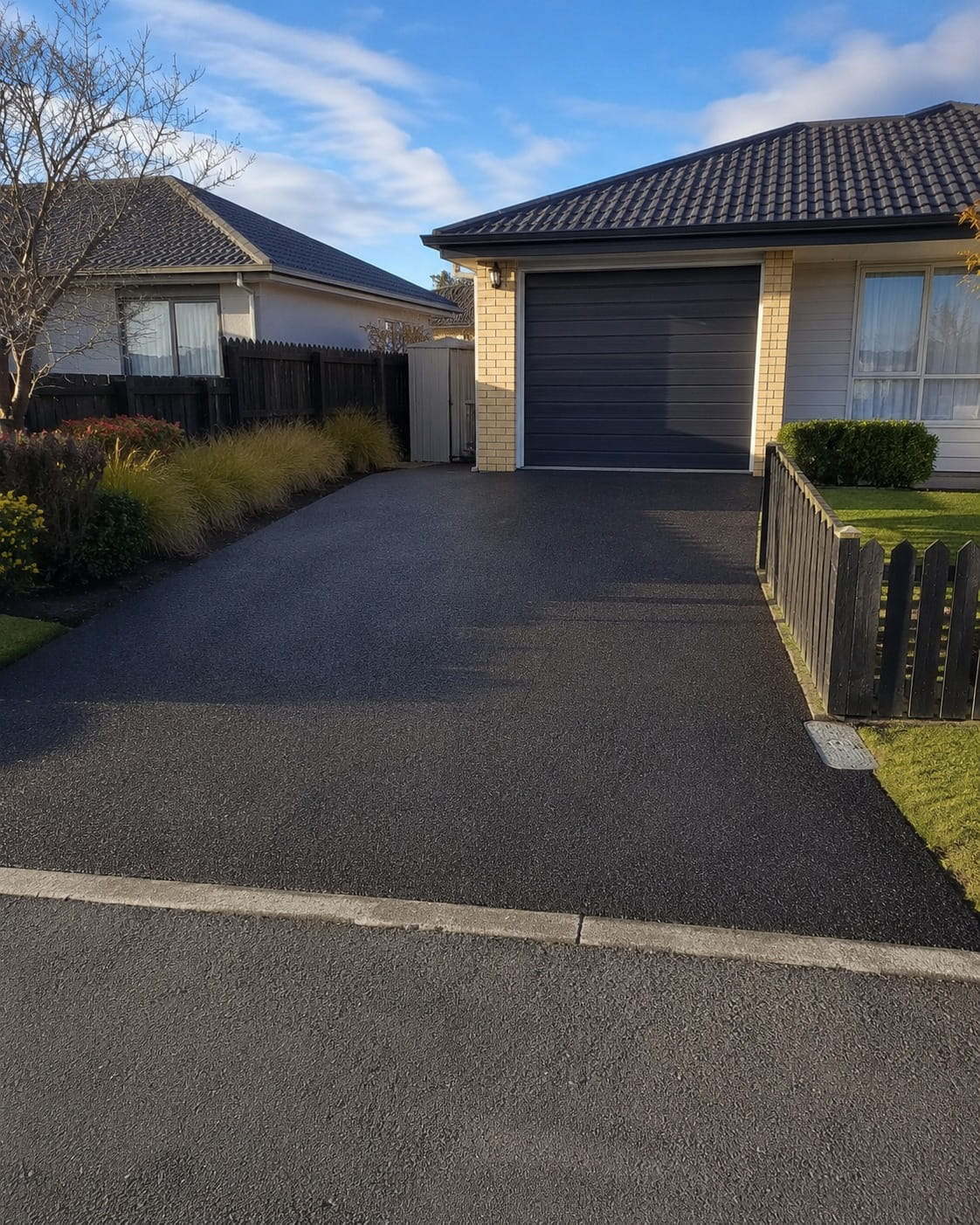
A worn asphalt surface does not always need to be completely removed and rebuilt. When the existing pavement still has a reasonably sound foundation, asphalt resurfacing can restore its appearance, improve driving conditions and extend its useful life without the cost and disruption of a full reconstruction.
We provide professional asphalt resurfacing services throughout Christchurch for residential, commercial and light civil projects. From driveways and car parks to access roads and larger paved areas, we assess the existing pavement, complete the necessary preparation and install a new asphalt surface designed for the site's intended use.
Our asphalt resurfacing services are suitable for:
- Residential driveways
- Commercial car parks
- Private roads
- Accessways
- Shared driveways
- Industrial yards
- Apartment and townhouse developments
- Commercial entrances
- Loading and service areas
- Asphalt repairs and reinstatement
Whether your asphalt is faded and rough or has developed cracks, patches and uneven areas, we can assess whether resurfacing is a practical option.
Contact us today for an asphalt resurfacing quote in Christchurch.
Complete Asphalt Resurfacing Services
Asphalt resurfacing involves installing a new layer of asphalt over an existing pavement after the surface has been properly assessed and prepared.
It is more than simply placing fresh asphalt over an old driveway.
Any significant defects need to be identified first. Failed sections may require excavation and repair, cracks may need treatment, drainage problems may need attention and existing levels must be considered before the new asphalt is installed.
Our resurfacing process can include:
- Existing pavement assessment
- Surface cleaning and preparation
- Removal of loose or failed material
- Localised pavement repairs
- Crack treatment
- Pothole repairs
- Edge preparation
- Asphalt milling where required
- Level corrections
- Drainage adjustments
- New asphalt overlay
- Compaction
- Tie-ins to existing surfaces
- Final site clean-up
The exact scope depends on the condition of the existing pavement.
Residential Asphalt Driveway Resurfacing
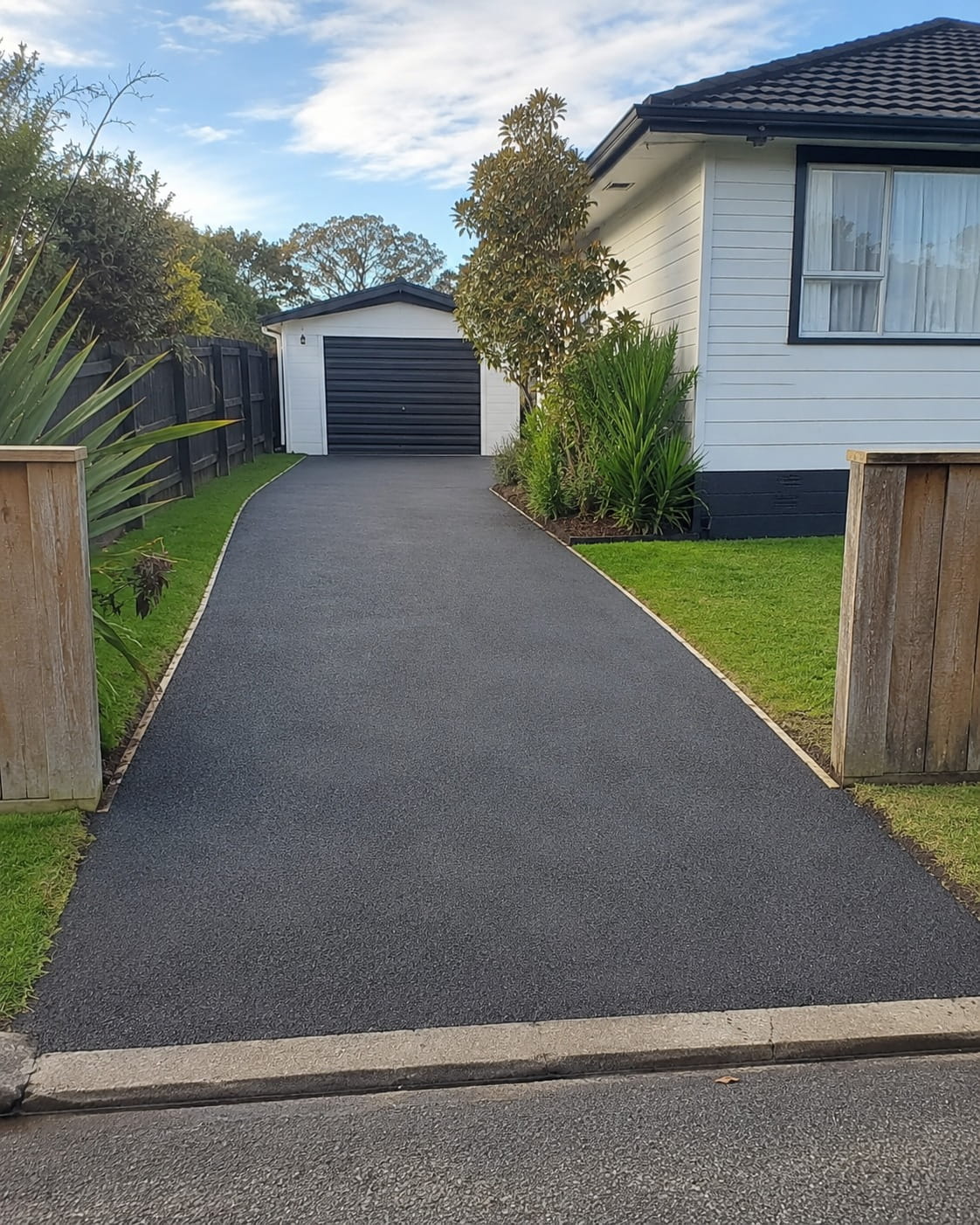
An older asphalt driveway can become faded, cracked and uneven after years of vehicle traffic and exposure to the weather.
If the underlying pavement remains suitable, resurfacing can provide a fresh new driving surface without excavating and rebuilding the entire driveway.
We provide asphalt driveway resurfacing throughout Christchurch for established homes, lifestyle properties, shared driveways and residential developments. Before resurfacing, we assess areas such as:
Existing Cracks
We assess crack size, depth, and pattern to determine whether sealing, injection, or full replacement is the right fix.
Potholes
Identifying pothole depth and surrounding damage to recommend proper patching or resurfacing before they worsen further.
Depressions
Locating low spots where water pools or surfaces have sunk, addressing the underlying cause before repairing the top layer.
Soft Spots
Detecting weak or unstable areas beneath the surface that signal poor base compaction or moisture damage below.
Edge Deterioration
Assessing crumbling or breaking edges along driveways and pavement, often caused by inadequate support or drainage issues.
Drainage
Evaluating slope and water flow to prevent pooling, erosion, and long-term surface damage from poor drainage design.
Garage Levels
Checking garage floor levels and transitions to ensure proper alignment with driveways and prevent water intrusion.
Kerbs and Channels
Inspecting kerb and channel condition to ensure proper water diversion and structural integrity along pavement edges.
Existing Pavement Thickness
Measuring current pavement depth to determine whether resurfacing or full reconstruction is needed for long-term durability.
Vehicle Loads
Assessing expected vehicle weight and traffic frequency to design pavement strength suited to actual daily use.
Commercial Asphalt Resurfacing in Christchurch
Commercial asphalt areas experience regular vehicle and pedestrian traffic and can gradually become worn, patched and uneven.
Resurfacing can be an effective way to upgrade an existing commercial pavement while retaining suitable parts of the original pavement structure. We provide asphalt resurfacing for:
Office Properties
We resurface worn office parking areas and accessways, restoring a professional appearance while minimising disruption to daily business operations.
Retail Premises
Fresh asphalt resurfacing for retail car parks and entrances, keeping customer areas safe, smooth, and welcoming year-round.
Warehouses
Heavy-duty resurfacing designed to handle frequent truck traffic and loading activity across warehouse yards and access routes.
Workshops
Durable resurfacing built to withstand vehicle traffic, oil exposure, and daily wear common to workshop and service areas.
Industrial Properties
Reinforced resurfacing solutions engineered for heavy machinery, constant vehicle movement, and demanding industrial site conditions.
Body Corporate Developments
Coordinated resurfacing across shared driveways and common areas, restoring safety and appearance for multi-unit developments.
Apartment Complexes
Resurfacing shared driveways, parking areas, and accessways to improve safety and curb appeal across residential complexes.
Schools and Community Facilities
Safe, durable resurfacing for car parks and pathways, completed with scheduling that minimises disruption to daily activities.
Service Yards
Heavy-use resurfacing built to handle constant vehicle turnover, loading, and wear typical of busy service yard operations.
Commercial Accessways
Restoring long commercial accessways with smooth, durable asphalt resurfacing designed for consistent daily traffic and heavy loads.
Car Park Resurfacing in Christchurch
A deteriorated car park can affect both the appearance and usability of a commercial property.
Cracking, potholes, uneven repairs and worn surfaces can make a car park look neglected and may continue to deteriorate if water is allowed to enter the pavement.
We provide asphalt car park resurfacing in Christchurch, including preparation and localised repairs before the new surface is installed.
Depending on the project, resurfacing may also provide an opportunity to address low areas, damaged edges and transitions between different pavement surfaces.
Once resurfacing is complete, line marking can be coordinated separately where required.
Private Road & Accessway Resurfacing
Private roads and long accessways can experience substantial wear, particularly where they carry multiple households, delivery vehicles or commercial traffic.
Complete reconstruction of a long access road can be expensive when much of the existing pavement remains serviceable.
Where conditions are suitable, resurfacing can restore the wearing surface and extend the pavement's service life.
We can assess:
- Shared residential accessways
- Rural property entrances
- Private lanes
- Commercial access roads
- Industrial accessways
- Body corporate roads
The condition of the base remains one of the most important factors in determining whether resurfacing is appropriate.
When Should Asphalt Be Resurfaced?
There is no single age at which asphalt automatically needs resurfacing. Its condition is more important than its age. Resurfacing may be worth considering when you notice:
Surface Cracking
Moderate cracking can allow water into the pavement and accelerate deterioration. Cracks need to be assessed before resurfacing because severe structural cracking may indicate problems deeper within the pavement.
Faded Asphalt
Asphalt naturally changes appearance as it ages and is exposed to sunlight and weather. A faded surface alone does not necessarily indicate structural failure, but resurfacing can restore a uniform appearance when other pavement conditions are suitable.
Minor Potholes
Small isolated potholes can often be repaired as part of the preparation process. Extensive potholing across the entire area may indicate that more substantial pavement repairs are required.
Uneven Areas
Localised depressions or uneven patches may sometimes be corrected before resurfacing. The cause should be investigated first rather than simply covering the problem.
Rough Surface Texture
As asphalt ages, the surface can become increasingly rough as the material deteriorates. A new asphalt overlay provides a fresh wearing surface.
Multiple Previous Repairs
A driveway or car park with numerous patches may still be structurally usable but look inconsistent. Resurfacing can create a more uniform finished surface after defective areas have been repaired.
Edge Deterioration
Asphalt edges can break away where they lack adequate support or are regularly driven over. Damaged edges should be corrected before the new surface is installed.
Asphalt Resurfacing vs Asphalt Replacement
One of the first questions we consider is whether the pavement should be resurfaced or completely reconstructed.
Asphalt Resurfacing
Resurfacing generally retains the existing pavement and installs a new asphalt layer over it after preparation and repairs.
It is best suited to surfaces where the underlying pavement is still reasonably sound.
Asphalt Replacement
Replacement involves removing some or all of the existing pavement and rebuilding the pavement structure.
This may be necessary where there are widespread failures, poor underlying material, major settlement or significant structural deterioration.
Resurfacing is not intended to hide serious pavement problems. If the base beneath the asphalt has failed, putting new asphalt over the top may only transfer those problems into the new surface.
A site assessment helps determine which approach makes more sense.
Asphalt Overlay Services
An asphalt overlay is the new asphalt layer installed over the prepared existing pavement.
Before an overlay is placed, the old surface needs to be suitable for receiving it.
Preparation may involve repairs, cleaning, milling, trimming edges and applying appropriate bonding treatments depending on the pavement design and project requirements.
The thickness and asphalt specification should suit the expected traffic and existing pavement conditions. A residential driveway and a commercial area carrying heavier vehicles may require different pavement solutions.
Asphalt Milling & Surface Preparation
In some resurfacing projects, simply adding another layer of asphalt would raise the finished surface too high. This can create problems around:
- Kerbs
- Gutters
- Garage entrances
- Doorways
- Drainage channels
- Manholes
- Driveway crossings
- Existing concrete
- Adjoining roads
Where appropriate, part of the existing asphalt can be removed or milled before the new surface is installed. Milling can also help create suitable transitions and tie-in points.
The goal is to achieve a finished asphalt surface that works with surrounding levels rather than simply increasing the height of the entire pavement.
Asphalt Crack Repairs Before Resurfacing
Cracks should not simply be ignored and covered. They can indicate different types of pavement movement, and some cracks may eventually reflect through a new asphalt overlay. Before resurfacing, we inspect the cracking and determine what preparation is appropriate.
Treatment may involve repairing isolated areas, removing failed pavement or addressing other underlying issues. Severe widespread cracking can be a sign that resurfacing alone is not the appropriate solution.
Pothole Repairs
Potholes usually require repair before a new asphalt surface is installed. Rather than filling the hole and immediately covering it, deteriorated material may need to be removed so the affected area can be properly reinstated. Where water is contributing to pothole formation, drainage should also be considered.
Asphalt Levelling & Low Spot Repairs
Water pooling on asphalt often indicates a problem with surface levels. Some depressions may be corrected as part of resurfacing, depending on their cause and severity. Where substantial settlement has occurred, the affected section may need deeper repair first.
Asphalt Resurfacing & Drainage
Water that continually sits on the surface or enters through cracks contributes to pavement deterioration. Before resurfacing we consider how water currently moves across the site and whether the new surface will affect existing drainage.
Sloping Driveways
Resurfacing a sloping driveway requires consideration of vehicle traction, drainage, existing pavement condition and how the asphalt connects with flatter surfaces. Transitions at the street and garage need to remain practical for vehicles.
Shared Driveways
Shared driveways often carry far more traffic than a single-home driveway, including rubbish trucks, couriers and tradespeople. Planning can include maintaining reasonable property access and completing work in stages where practical.
Industrial Resurfacing
Forklifts, delivery trucks and heavy equipment place additional stress on asphalt. Areas experiencing repeated heavy loads or turning movements may require additional pavement repairs or a different pavement design.
Resurfacing Around Concrete
Asphalt often meets concrete garage floors, footpaths, kerbs, vehicle crossings, loading pads and drainage channels. These transitions need to meet adjacent surfaces at practical levels while maintaining appropriate drainage.
Edges & Transitions
The edge of an asphalt pavement is often its most vulnerable area. Unsupported edges can crack and break away where vehicles drive close to them, so existing edge deterioration is assessed and repaired where required.
Preparing an Asphalt Surface for Resurfacing
Preparation has a major influence on the finished result. Depending on the condition of the pavement, preparation may include:
Cleaning
Removing dirt, vegetation and loose material.
Pavement Repairs
Correcting failed or unstable areas.
Crack Treatment
Addressing appropriate cracks before overlaying.
Pothole Repairs
Removing and reinstating deteriorated sections.
Milling
Lowering selected areas or removing deteriorated surface material.
Edge Preparation
Creating suitable boundaries and tie-ins.
Drainage Corrections
Addressing relevant water issues.
Surface Bonding Preparation
Preparing the old pavement so the new asphalt layer can bond appropriately.
Our Asphalt Resurfacing Process
Site Inspection
We inspect the existing asphalt, pavement condition, drainage, edges, access and surrounding levels.
Determine Whether Resurfacing Is Suitable
We identify whether the pavement appears suitable for an overlay or whether significant areas require reconstruction.
Prepare the Existing Surface
The pavement is cleaned and defective areas are identified for repair.
Complete Localised Repairs
Potholes, failed sections and other appropriate defects are repaired before resurfacing.
Adjust Levels Where Required
Milling or levelling work may be completed where necessary to achieve suitable finished levels.
Prepare Edges & Tie-Ins
Connections to existing asphalt, concrete, kerbs and other surfaces are prepared.
Install New Asphalt
The new asphalt layer is placed across the prepared pavement.
Compact the Surface
The asphalt is compacted to create the finished pavement.
Finish Edges & Transitions
Edges and connections are checked and finished.
Final Inspection & Clean-Up
The resurfaced area is inspected and the worksite is cleaned before completion.
Benefits of Asphalt Resurfacing
When used on an appropriate pavement, resurfacing can offer several advantages.
Extends the Life of Existing Pavement
A new wearing surface can extend the useful life of a pavement that does not yet require full reconstruction.
Improves Appearance
Resurfacing covers faded surfaces and numerous older repairs, producing a more consistent appearance.
Creates a Smoother Surface
A properly installed overlay can improve ride quality across rough or moderately worn pavement.
Less Disruptive Than Reconstruction
Because much of the existing pavement can remain in place, resurfacing may require less excavation and material removal than rebuilding from the ground up.
Cost-Effective for Suitable Pavements
Where the underlying pavement remains sound, resurfacing can be more economical than complete replacement.
When Resurfacing May Not Be Suitable
Asphalt resurfacing is not the correct solution for every damaged pavement.
Full or partial reconstruction may be more appropriate where there is:
- Severe widespread cracking
- Major pavement movement
- Significant base failure
- Extensive potholing
- Deep depressions
- Poor drainage causing ongoing damage
- Large areas of soft or unstable pavement
- Major root damage
- Insufficient pavement strength
- Serious level problems
Covering these issues with new asphalt may only provide a temporary cosmetic improvement. We prefer to identify the actual condition of the pavement before recommending the scope of work.
Asphalt Resurfacing for Property Upgrades
Resurfacing can be particularly useful when improving an established property before:
- Selling
- Leasing
- Renovating
- Rebranding commercial premises
- Upgrading landscaping
- Repainting parking layouts
- Improving vehicle access
A worn driveway or car park occupies a large visual area, so resurfacing can noticeably improve the overall presentation of a property.
Why Choose Us for Asphalt Resurfacing in Christchurch?
Successful asphalt resurfacing depends heavily on what happens before the new asphalt arrives.
Our approach focuses on assessing and preparing the existing pavement rather than simply covering defects.
We provide:
- Residential and commercial asphalt resurfacing
- Site-specific pavement assessment
- Localised asphalt repairs
- Pothole and failed-area repairs
- Surface preparation
- Asphalt overlays
- Level and transition preparation
- Drainage consideration
- Driveway and car park resurfacing
- Accessway and private road resurfacing
- Complete earthworks capability where required
- Practical advice on resurfacing versus replacement
Asphalt Resurfacing Cost in Christchurch
The cost of asphalt resurfacing varies considerably between projects.
Important pricing factors include:
- Total pavement area
- Existing asphalt condition
- Number of repairs required
- Access to the site
- Asphalt thickness
- Milling requirements
- Edge preparation
- Drainage work
- Existing pavement levels
- Number of manholes or service covers
- Traffic requirements
- Amount of failed pavement requiring reconstruction
A large but relatively sound car park may be straightforward to resurface, while a smaller driveway with extensive cracking, poor drainage and multiple failed areas may require significantly more preparation.
The best way to establish the cost is to inspect the existing pavement and determine exactly what needs to happen before resurfacing.
Asphalt Resurfacing Across Christchurch
We provide asphalt resurfacing in Christchurch and surrounding areas for homeowners, businesses, property managers, builders, developers and body corporates.
From a residential driveway that needs a fresh surface to a large commercial car park with years of patches and wear, we can assess the pavement and recommend a practical approach.
Our capabilities also allow resurfacing projects to be coordinated with related work such as earthworks, excavation, drainage, concrete and paving where required.
Get a Quote for Asphalt Resurfacing in Christchurch
If your driveway, car park or accessway is looking worn, cracked or uneven, complete replacement may not be your only option.
We can inspect the existing pavement and determine whether asphalt resurfacing is suitable or whether particular sections require more substantial repair.
From preparation and pavement repairs through to the final asphalt surface, we provide a complete solution for residential and commercial projects.
Contact us today to arrange an assessment and get a quote for asphalt resurfacing in Christchurch.
Christchurch Asphalt Resurfacing Questions
What is asphalt resurfacing?
Asphalt resurfacing generally involves preparing an existing pavement and installing a new asphalt layer over it. Repairs may be completed first where parts of the original pavement have deteriorated.
Is resurfacing cheaper than replacing asphalt?
It can be when the existing pavement is structurally suitable for resurfacing. If extensive reconstruction is required underneath, the cost difference may be smaller.
Can you resurface a cracked driveway?
Potentially. It depends on the type, severity and cause of the cracking. Minor or localised defects may be repairable, while severe widespread structural cracking can indicate that reconstruction is more appropriate.
Can asphalt be laid over old asphalt?
Yes, existing asphalt can often form part of a resurfacing system when it is in suitable condition and properly prepared. It should not simply be covered without first assessing defects, levels and drainage.
Will resurfacing fix potholes?
Potholes should generally be repaired before the new asphalt overlay is installed. Simply covering a failed pothole without addressing deteriorated material beneath it may allow the defect to return.
Can you resurface only part of a driveway?
In some situations, yes. However, the condition of the entire pavement and the location of the proposed transition need to be considered.
Will cracks come back through new asphalt?
Some cracks can eventually reflect through an overlay, particularly where movement continues underneath. This is why existing cracking needs to be assessed before resurfacing.
Can you resurface asphalt around drainage channels?
Yes, subject to the existing levels and condition of the drainage system. Tie-ins need to be prepared so water can continue to reach the drainage point effectively.
How long before vehicles can use new asphalt?
This depends on the asphalt system, weather, pavement design and project conditions. We provide site-specific guidance after installation rather than relying on a single timeframe for every project.
Is resurfacing suitable for commercial car parks?
Yes, provided the existing pavement is suitable. Car parks are a common application for asphalt resurfacing because large areas of otherwise serviceable pavement can often be retained.
Can you resurface a shared driveway?
Yes. Shared driveways can be resurfaced where the pavement condition allows. Access requirements can be considered when planning the work.