Foundation & Sub-Base Re-Engineering in Christchurch
When settling, sinking, or ground movement compromises your driveway or foundation, the fix starts below the surface. Patching visible cracks or repouring a damaged slab might look like a solution, but if the ground underneath hasn't been properly rebuilt, the same problems almost always return within a few years, often worse than before.
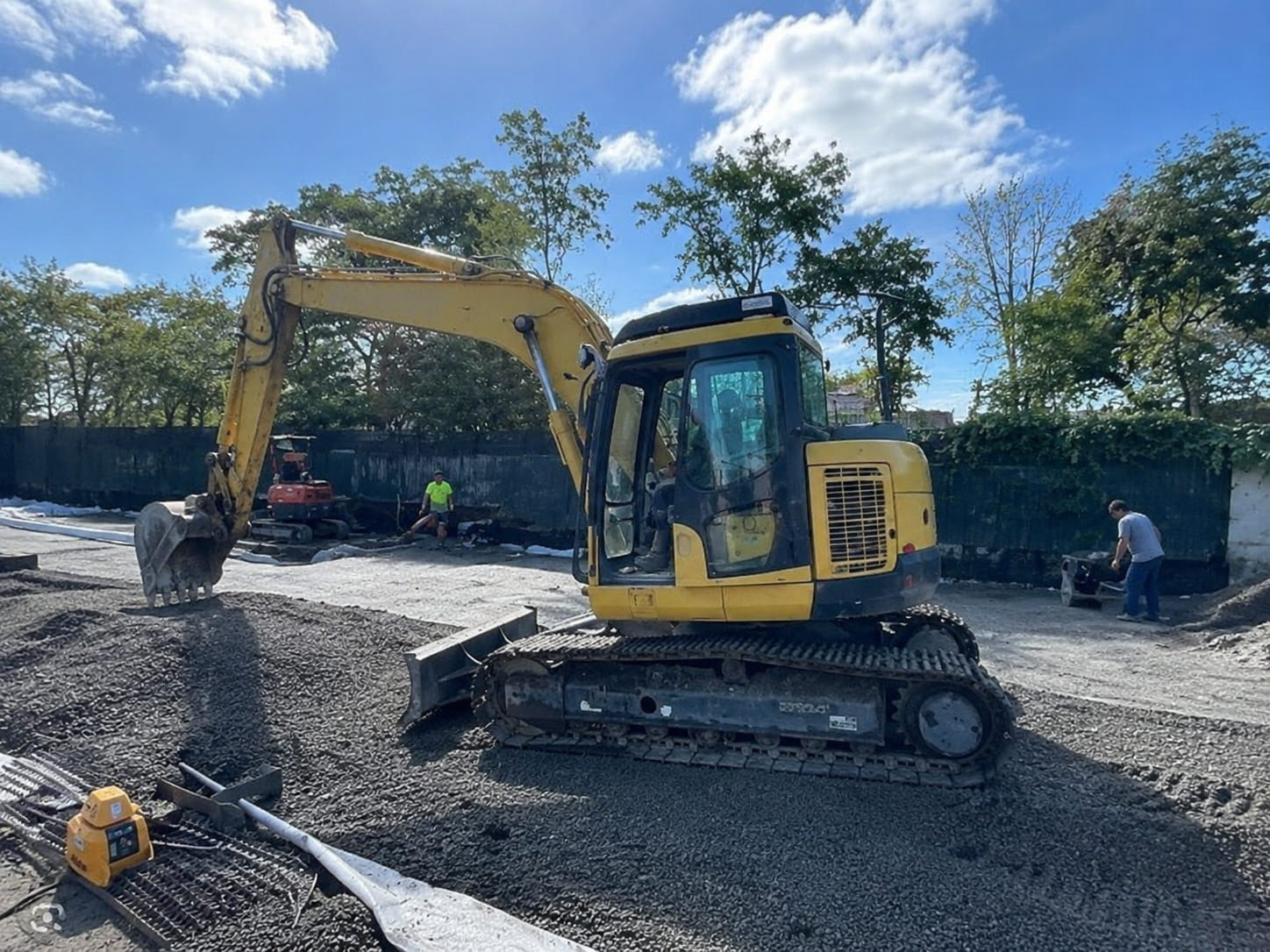
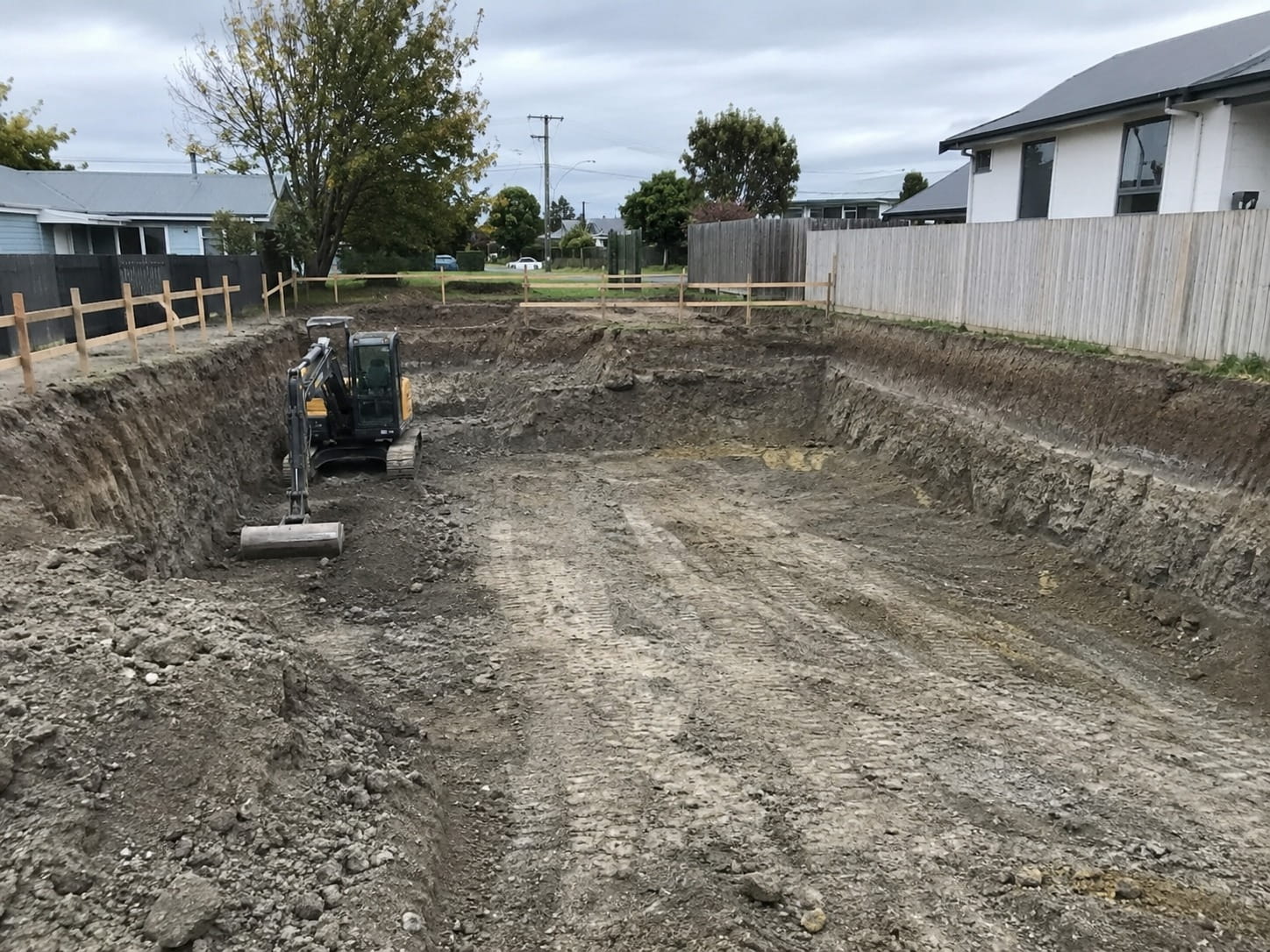
That's where sub-base re-engineering comes in. Instead of treating the symptom, we address the actual cause: unstable, poorly compacted, or improperly drained ground beneath the surface. We excavate down to solid footing and rebuild using properly compacted hardfill, engineered specifically for your site's soil conditions and drainage needs.
We rebuild the ground itself, not just what sits on top of it. The result is a foundation that holds, season after season, instead of a surface repair that buys you a few extra years before the same issue resurfaces.
What Is Sub-Base Re-Engineering?
Most driveway and foundation failures don't start at the surface — they start underground. A cracked slab, a sinking driveway, or an uneven foundation is usually a symptom of what's happening beneath it: poor compaction, inadequate drainage, or ground that was never properly engineered to support the structure above it in the first place.
Sub-base re-engineering addresses that root cause directly. Rather than patching visible damage, we excavate down to stable ground and rebuild the foundation layer using compacted AP20 or AP40 hardfill, engineered specifically for the soil conditions on your site. This creates a solid, well-drained base that resists future settling, even under Canterbury's variable ground conditions and seismic history.
Why This Matters in Christchurch
Christchurch's soil composition varies significantly from property to property, and in some areas, historical seismic activity has left the ground more prone to settling, shifting, or liquefaction than in other parts of New Zealand. A driveway or foundation built without proper sub-base preparation may look fine for a few years before problems start appearing, at which point repairs are far more expensive than getting the groundwork right the first time.
Re-engineering the sub-base isn't just a repair technique, it's preventative infrastructure. It's the difference between a driveway that lasts decades and one that needs replacing again within five to ten years.
Signs You Might Need Sub-Base Re-Engineering
Visible Sinking or Settling in Sections of Your Driveway
Certain areas dropping lower than the rest often signal poor sub-base compaction beneath the surface, requiring proper excavation and rebuild rather than resurfacing.
Cracks That Keep Returning After Previous Repairs
Recurring cracks in the same spots usually mean the underlying ground movement was never addressed, so surface patches keep failing repeatedly over time.
Water Pooling in Low Spots That Weren't There Before
New pooling areas often indicate the ground has shifted or settled unevenly, disrupting original drainage paths and requiring grading correction.
Uneven Surfaces Where Sections Have Shifted Independently
When different sections move at different rates, it typically points to inconsistent sub-base support or localised ground instability beneath the driveway.
A Driveway or Slab That Feels "Spongy" or Unstable
A soft or bouncy feeling underfoot often means voids have formed beneath the surface, leaving it inadequately supported and prone to further damage.
Cracking Along the Edges Where the Surface Meets the Ground
Edge cracking frequently results from erosion, poor compaction, or inadequate support along the perimeter, weakening the surface's structural integrity over time.
Previous Patch Repairs That Failed Within a Year or Two
Quick failures after repair usually mean the root cause was never fixed, only masked temporarily, allowing the same problem to resurface.
Our Sub-Base Re-Engineering Process
If patch repairs keep failing, it's usually a sign the problem is beneath the surface, not on it.
Site Assessment & Soil Evaluation
We inspect the affected area, assess soil conditions, and identify exactly why the existing base failed.
Full Excavation
We remove the damaged surface and excavate down to stable, load-bearing ground, clearing away compromised material.
Hardfill Base Construction
We lay and compact AP20 or AP40 hardfill in engineered layers, building a base designed to handle long-term structural loads.
Drainage Integration
Where needed, we correct grading and drainage paths as part of the rebuild, preventing water from undermining the new base.
Surface Reinstatement
Once the sub-base is properly compacted and tested, we repour or relay the surface, whether concrete, asphalt, or pavers.
Final Inspection & Warranty
Every re-engineered base is backed by our 10-year workmanship warranty.
Where This Service Applies
Driveways
Full sub-base rebuilds for sinking or cracking driveways where surface repairs alone won't solve the problem.
Foundations
Re-engineered footing support for structures showing signs of settling or uneven load distribution.
Subdivision Access Roads
Properly compacted base construction for shared roadways expected to handle years of consistent vehicle traffic.
Commercial Car Parks
Heavy-duty base engineering built to support constant vehicle turnover and loading demands.
Patios & Paved Areas
Rebuilt bedding and basecourse under patios, courtyards and paved surfaces that have sunk or shifted out of level.
Shared Accessways
Base re-engineering for right-of-ways and shared driveways carrying multiple households and delivery vehicles.
Why Choose Us
We Fix the Cause, Not Just the Symptom
Surface patches without proper base work almost always fail again. We rebuild from the ground up.
Local Soil Expertise
15+ years working with Christchurch and Canterbury's specific ground conditions and seismic history.
Proper Compaction Standards
We use industry-standard AP20/AP40 hardfill and compaction techniques built for long-term durability, not shortcuts.
Licensed, Insured, and Warrantied
Every project is backed by full licensing, insurance, and a 10-year workmanship guarantee.
Christchurch Foundation & Sub-Base Re-Engineering Questions
How do I know if my driveway needs sub-base re-engineering versus a simple repair?
If cracks or sinking keep returning after previous repairs, or if an area feels unstable underfoot, it's usually a sign the base itself has failed and needs to be rebuilt, not just patched.
How long does sub-base re-engineering take?
Timelines depend on the size of the affected area, but most residential driveway sections take a few days from excavation through surface reinstatement.
What's the difference between AP20 and AP40 hardfill?
AP20 has a smaller aggregate size and is often used for finer compaction near the surface, while AP40 is coarser and typically used for deeper structural base layers. We select the right mix based on your site's specific load and drainage needs.
Will this fix a driveway damaged by historical earthquake activity?
In most cases, yes. Post-earthquake ground shift is one of the most common reasons a sub-base needs to be re-engineered rather than simply resurfaced.
Is this only for driveways, or does it apply to foundations too?
Sub-base re-engineering applies to both. The same principles — proper excavation, compaction, and drainage — are essential whether you're rebuilding a driveway or reinforcing a structural foundation.